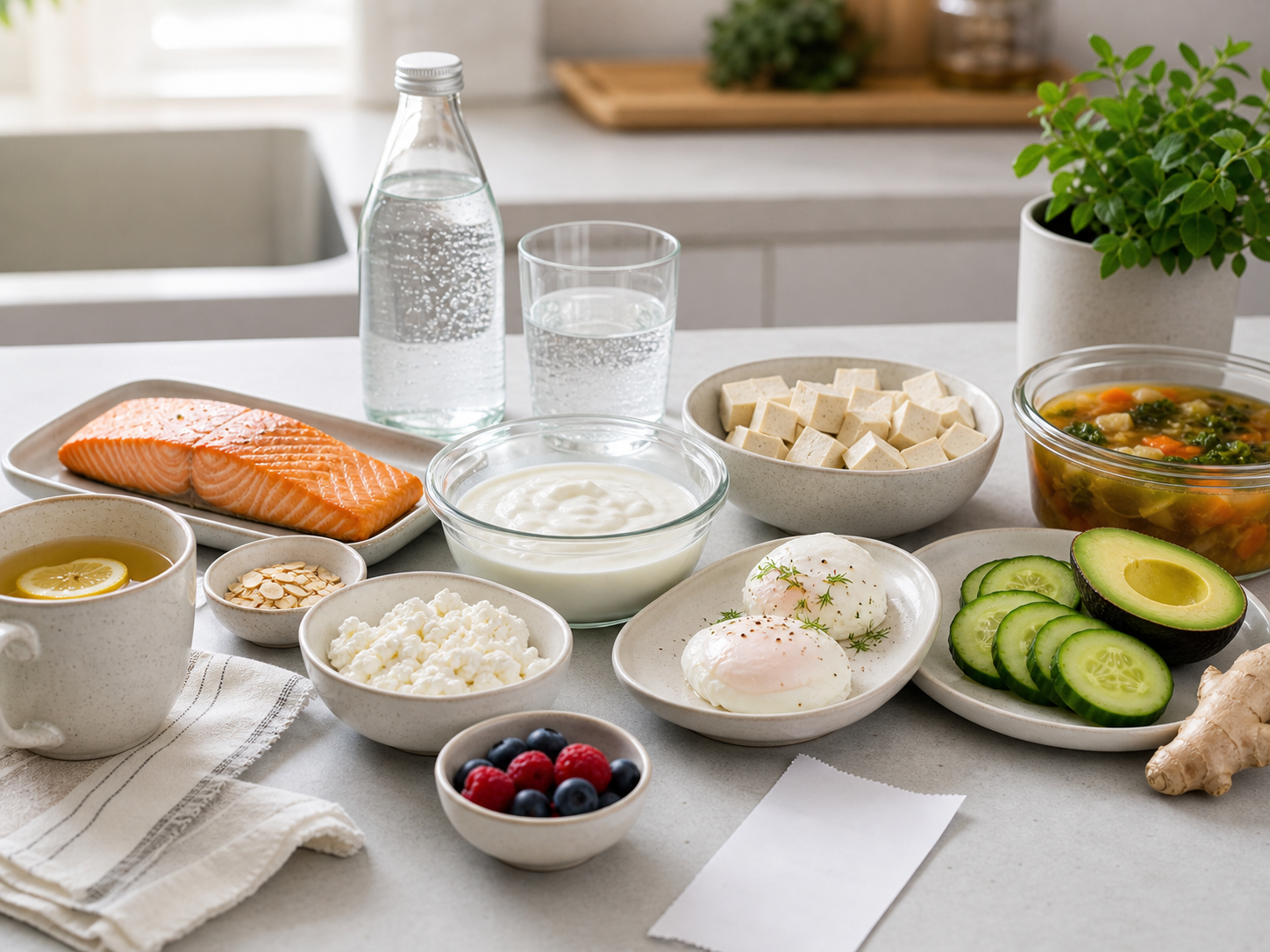
Quick answer: A GLP-1 friendly grocery list should make small meals count. Start with easy protein, gentle fiber, water-rich foods, simple meal connectors, and lower-sugar defaults. Greek yogurt, eggs, tofu, fish, chicken, beans, lentils, oats, berries, frozen vegetables, potatoes, rice, soup, and unsweetened drinks are the kind of foods that help a smaller appetite still turn into useful meals.
GLP-1 medications can change the way grocery shopping feels. You may not be as hungry, large meals may sound unappealing, and the old "buy whatever looks good" method can get weird fast. A cart that used to feel normal might suddenly be too heavy, too rich, or oddly snacky.
That is why the receipt matters. It gives you a practical way to ask, "Did I buy food that helps me eat enough of the basics?" Not enough in a calorie-counting homework way. Enough in a real-life way: enough protein to anchor meals, enough fiber to support a good pattern, enough fluid-friendly foods, and enough simple options that you can eat even when your appetite is quieter than usual.
The GLP-1 friendly cart formula
The Academy of Nutrition and Dietetics recommends routine meals with adequate calories, protein, fiber, and vitamins and minerals for people using obesity medications. The 2025-2030 Dietary Guidelines also point people toward whole, nutrient-dense foods such as protein foods, dairy, vegetables, fruits, healthy fats, and whole grains while reducing highly processed foods, added sugars, excess sodium, and less useful fats.
| Cart job | Useful grocery examples | Receipt question |
|---|---|---|
| Easy protein | Greek yogurt, eggs, cottage cheese, tofu, fish, chicken, turkey, beans, lentils, milk, soy milk. | Can I name protein for breakfast, lunch, dinner, or two mini-meals? |
| Gentle fiber | Oats, berries, apples, potatoes, beans, lentils, carrots, frozen vegetables, whole-grain toast. | Did I buy fiber I will actually eat, and can I increase it gradually? |
| Hydration support | Water, unsweetened tea, sparkling water, broth-based soup, cucumbers, watermelon, oranges. | Will this cart make drinking and fluid-rich meals easier? |
| Small-meal connectors | Rice, potatoes, tortillas, toast, soup, salsa, frozen vegetables, simple sauces. | Can I turn protein into a small meal without cooking like a hero? |
| Lower-sugar defaults | Plain yogurt, berries, unsweetened drinks, lower-sugar cereal, fruit, nuts, popcorn. | Are sweet drinks and dessert snacks crowding out food with more nutrition? |
Start with protein you can actually eat
When appetite is smaller, protein can become easy to miss. That does not mean every meal needs to become a protein project. It means the cart should have easy anchors: Greek yogurt, eggs, cottage cheese, tofu, chicken, turkey, tuna, salmon, beans, lentils, milk, or soy milk. Pick the forms that match your appetite and your clinician's guidance.
The best protein is the one you will use when you are not especially hungry. A container of plain Greek yogurt may beat raw chicken on a low-energy day. Eggs can become a small breakfast or dinner. Tofu can turn into a fast bowl. Canned fish can rescue lunch. Beans and lentils bring protein and fiber together, though some people do better adding them gradually.
Add fiber like a dimmer switch, not a light switch
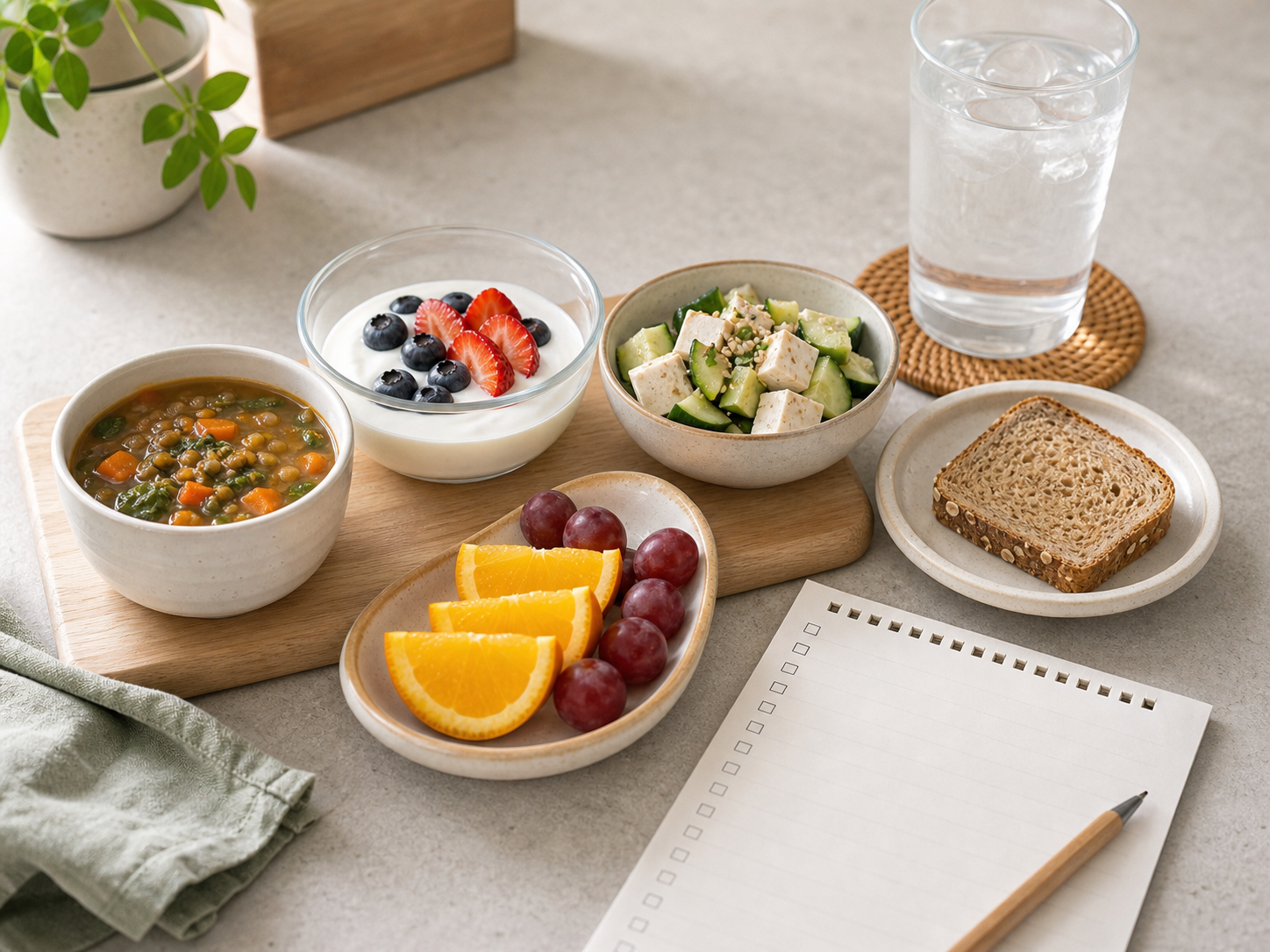
Fiber is useful, but the practical move is to increase it gently, especially if your stomach is already touchy. Oats, berries, apples, carrots, potatoes, beans, lentils, frozen vegetables, and whole grains are all normal grocery foods that can support a better pattern.
The FDA's Daily Value reference lists 28 grams of dietary fiber per day for a 2,000 calorie diet, but your personal needs may differ. The receipt method is simpler: look for a few fiber foods that you can repeat without making your gut stage a protest. Oats plus berries. Soup plus beans. Eggs plus potatoes and spinach. Yogurt plus fruit. Very glamorous? No. Useful? Absolutely.
Do not let hydration become an afterthought
JAMA Internal Medicine's patient guidance notes that GLP-1 medications can cause digestive side effects and that fluid intake matters. In grocery terms, that means your cart should make drinking and fluid-rich eating easy before you need willpower.
Buy drinks you can keep nearby: water, sparkling water, unsweetened tea, or a no-sugar drink you actually like. Add fluid-friendly foods if they fit your week: broth-based soups, cucumbers, oranges, melon, frozen fruit, or simple smoothies. If nausea, vomiting, diarrhea, constipation, diabetes medications, kidney disease, or fluid restrictions are part of your situation, follow your clinician's plan instead of a generic internet list.
A GLP-1 friendly cart is not just a smaller cart. It is a more intentional cart. When appetite is lower, the foods you do buy need to be easier to use.
Build mini-meals before buying more snacks
A common GLP-1 shopping trap is buying a little of everything and then discovering that nothing quite becomes a meal. Mini-meals solve that. They are small enough to feel manageable and structured enough to deliver protein, fiber, and fluids.
- Greek yogurt + berries + oats.
- Eggs + whole-grain toast + fruit.
- Tofu + rice + frozen vegetables.
- Tuna or salmon + crackers + cucumber.
- Chicken + soup + potatoes or rice.
- Beans + salsa + tortilla + a small amount of cheese.
These are not magic combinations. They are receipt-friendly combinations. You can see them on the list before you leave the store, which means future-you gets food instead of a tiny pile of disconnected intentions.
Foods to be careful with, especially on rough stomach days
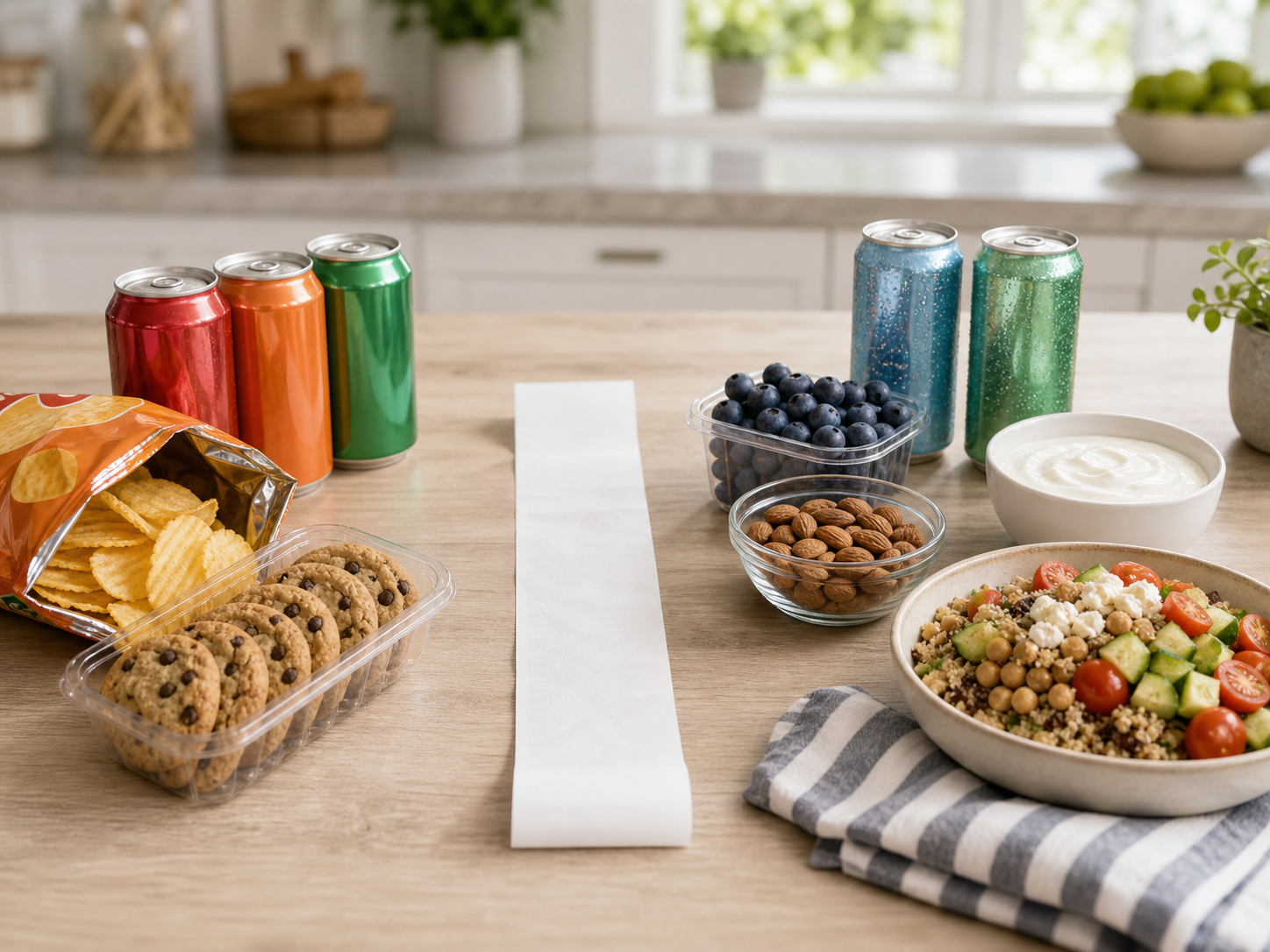
You do not need a forbidden-food spreadsheet. Still, some foods are worth watching because they can make a smaller appetite less useful: fried foods, very greasy meals, large portions, processed meats, sweet drinks, alcohol, candy, and dessert snacks that replace meals instead of accompanying them.
FDA notes that added sugars include sugars added during processing or packaging, and the Daily Value is 50 grams per day based on a 2,000 calorie diet. FDA also uses the simple Percent Daily Value guide: 5 percent DV or less is low, and 20 percent DV or more is high. On a GLP-1 plan, that matters because sweet drinks and snack desserts can take up limited appetite without helping much with protein, fiber, or hydration.
A practical GLP-1 friendly grocery list
Use this as a structure, not a prescription. Your clinician or registered dietitian may adjust it for diabetes, kidney disease, heart disease, food allergies, pregnancy, eating disorder history, bariatric surgery, or medication side effects.
- Protein: Greek yogurt, eggs, cottage cheese, tofu, fish, chicken, turkey, beans, lentils, milk, soy milk.
- Fiber: oats, berries, apples, potatoes, carrots, frozen vegetables, beans, lentils, whole-grain bread.
- Mini-meal connectors: rice, tortillas, toast, soup, salsa, tomato sauce, frozen vegetables.
- Hydration support: water, sparkling water, unsweetened tea, broth, soup, cucumbers, oranges, melon.
- Gentle defaults: plain yogurt, fruit, popcorn, peanut butter, hummus, simple cereal with less added sugar.
The 2-minute GLP-1 receipt method
After checkout, scan the receipt for five jobs. This keeps the question practical and away from medication guessing.
- Circle protein: Find the foods that can anchor meals or mini-meals.
- Underline fiber: Mark fruits, vegetables, oats, beans, lentils, potatoes, and whole grains.
- Check fluids: Notice drinks, soups, and water-rich foods that make hydration easier.
- Star rough-stomach items: Mark greasy, fried, very sweet, or oversized convenience foods.
- Name four mini-meals: If you cannot name them, add connectors next trip.
Example: fixing a GLP-1 grocery receipt
Imagine the receipt says: protein bars, diet soda, salad greens, berries, frozen pizza, and crackers. There are useful items here, but the cart is fragile. It has some produce and convenience food, but not many real protein anchors or gentle meal connectors.
A better next trip might add Greek yogurt, eggs, tofu or chicken, soup, potatoes or rice, frozen vegetables, and an unsweetened drink you like. Now the cart can become yogurt bowls, egg toast, soup with extra protein, tofu rice bowls, or chicken with vegetables. No grand lifestyle speech required. Just a receipt with more jobs covered.
How GoalCart can help
GoalCart is useful here because it looks at the whole grocery haul instead of asking you to micromanage every bite. Paste a list or scan a receipt, choose a goal like GLP-1 friendly, high protein, high fiber, low sugar, weight loss, or budget healthy, and review the extracted items.
The report can flag protein support, fiber support, sugar risk, processed-food load, and practical next-trip swaps. Over time, saved history makes the pattern easier to see. Maybe protein keeps disappearing. Maybe sweet drinks show up when the week gets stressful. Maybe fiber is great, but hydration support is thin. The next trip gets easier because the receipt stops being a mystery.
Bottom line
GLP-1 friendly grocery shopping is not about guessing medical rules in the aisle. It is about making a smaller appetite more useful. Buy protein you can eat, fiber you can tolerate, fluids you will actually drink, and mini-meal ingredients that make the week easier. Then let the receipt tell you which pattern to improve next.
Frequently asked questions
What should I buy for a GLP-1 friendly grocery list?
Start with easy protein, gentle fiber, water-rich foods, simple meal connectors, and lower-sugar defaults. Examples include Greek yogurt, eggs, tofu, fish, chicken, beans, lentils, oats, berries, frozen vegetables, potatoes, rice, soups, and unsweetened drinks.
Should I avoid carbs while taking a GLP-1 medication?
Do not remove an entire food group unless your clinician told you to. Many people do better with smaller portions of useful carbohydrates such as oats, potatoes, rice, fruit, beans, lentils, and whole grains because they help meals feel complete.
How can I grocery shop when I am not hungry?
Shop from a list instead of appetite. Buy smaller, repeatable foods that can become mini-meals: yogurt and berries, eggs and toast, soup and beans, tuna and crackers, tofu and rice, or chicken and frozen vegetables.
Medical note: GLP-1 and related medications are prescription treatments. Follow your prescriber's instructions and ask a qualified clinician or registered dietitian before changing your diet if you have diabetes, kidney disease, gallbladder or pancreas concerns, pregnancy-related nutrition needs, food allergies, an eating disorder history, bariatric surgery history, or any prescribed diet.
Sources
- Academy of Nutrition and Dietetics: Navigating Weight Loss with Obesity Medications for nutrition priorities including routine meals, protein, fiber, vitamins and minerals, and activity.
- NIDDK: Prescription Medications to Treat Overweight & Obesity for medication safety context and the importance of clinician guidance.
- JAMA Internal Medicine: I Am Taking a GLP-1 Weight-Loss Medication - What Should I Know? for patient guidance on digestive side effects, smaller meals, and fluid intake.
- FDA: Wegovy approval information for GLP-1 safety context, common side effects, and the reduced-calorie diet plus physical activity framing.
- Dietary Guidelines for Americans for current U.S. dietary guidance.
- FDA: Added Sugars on the Nutrition Facts Label and FDA: Daily Value on the Nutrition and Supplement Facts Labels for added sugar, fiber, and Percent Daily Value references.